Year 8 Explore the History of World War One
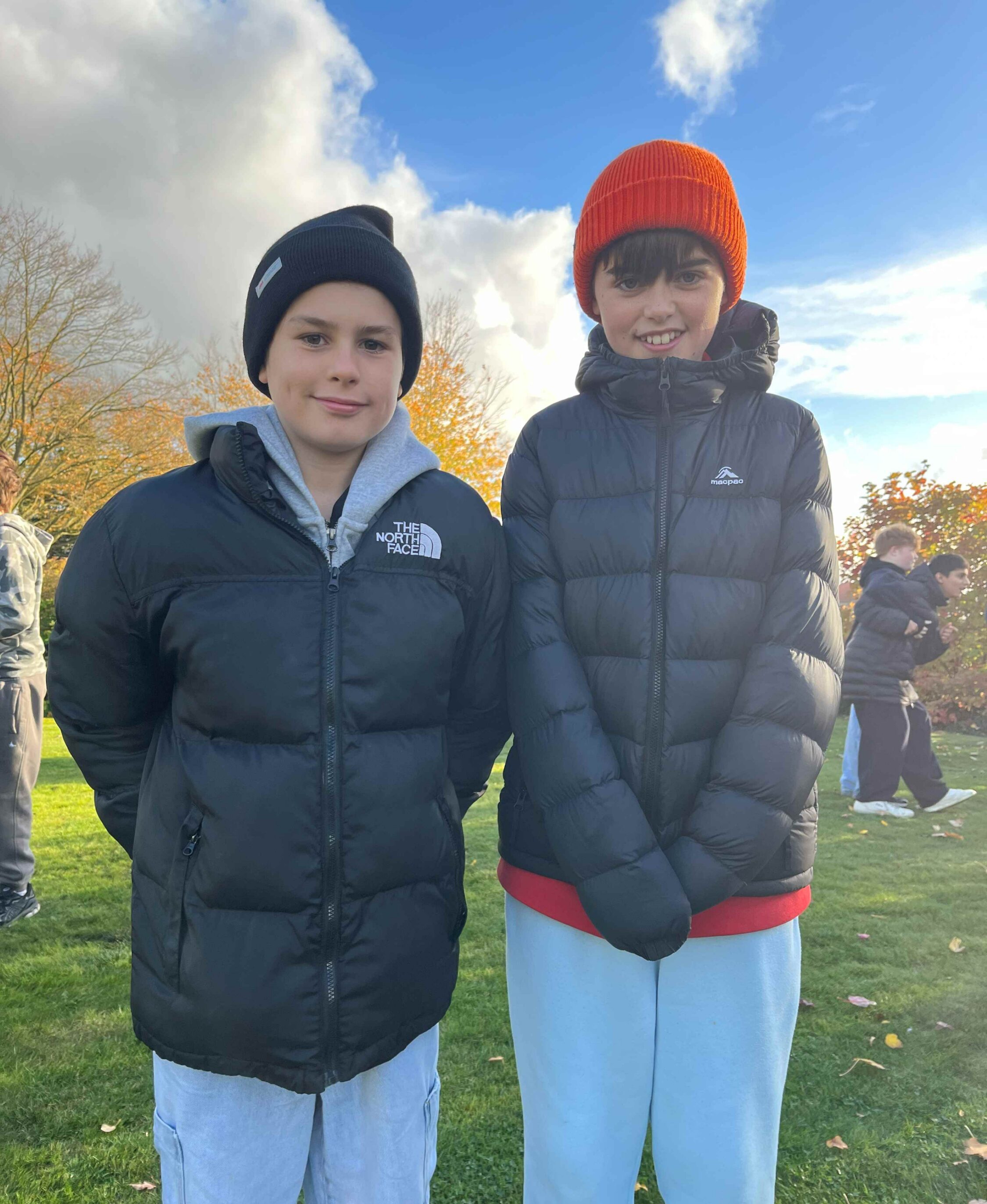
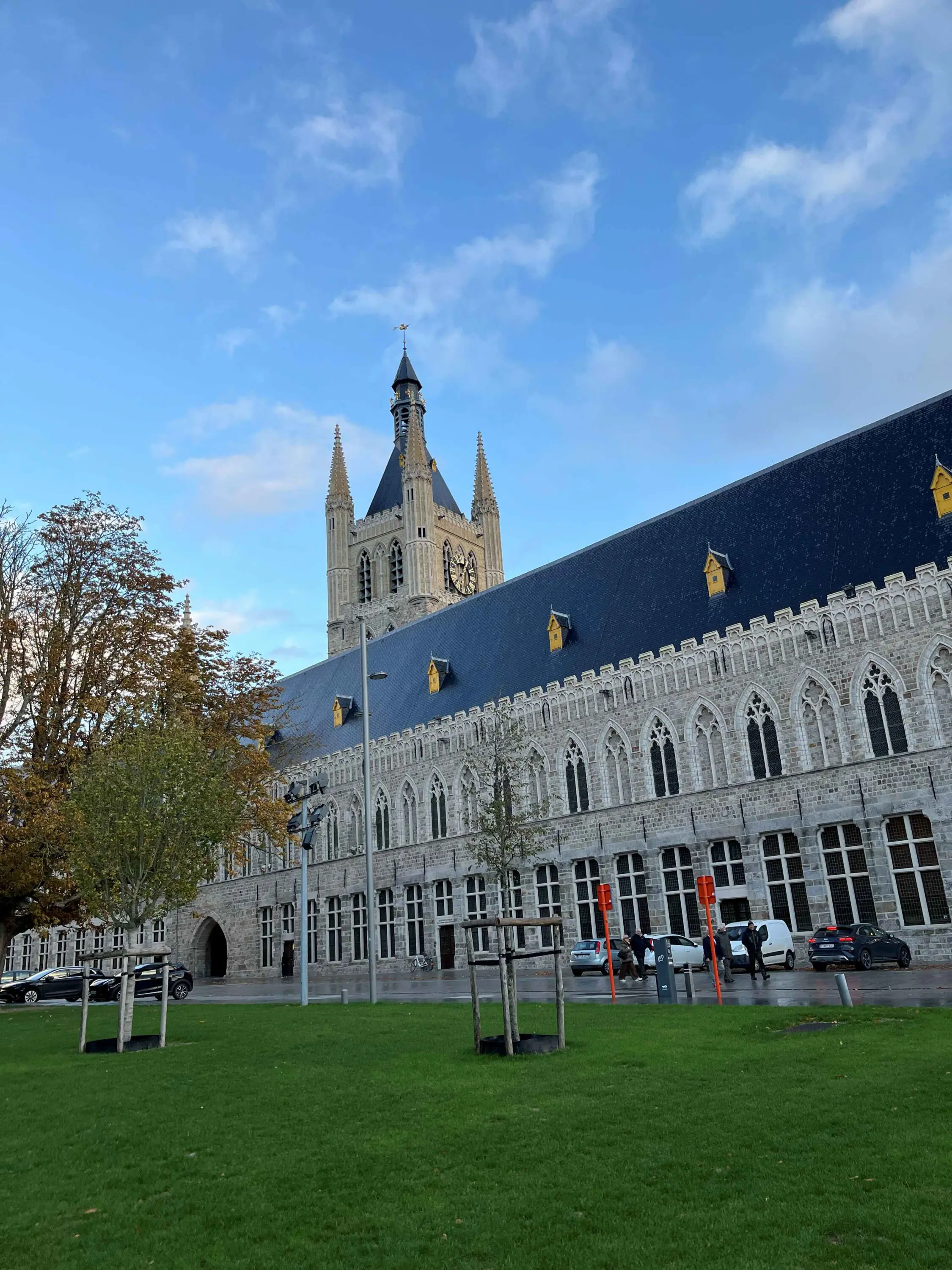
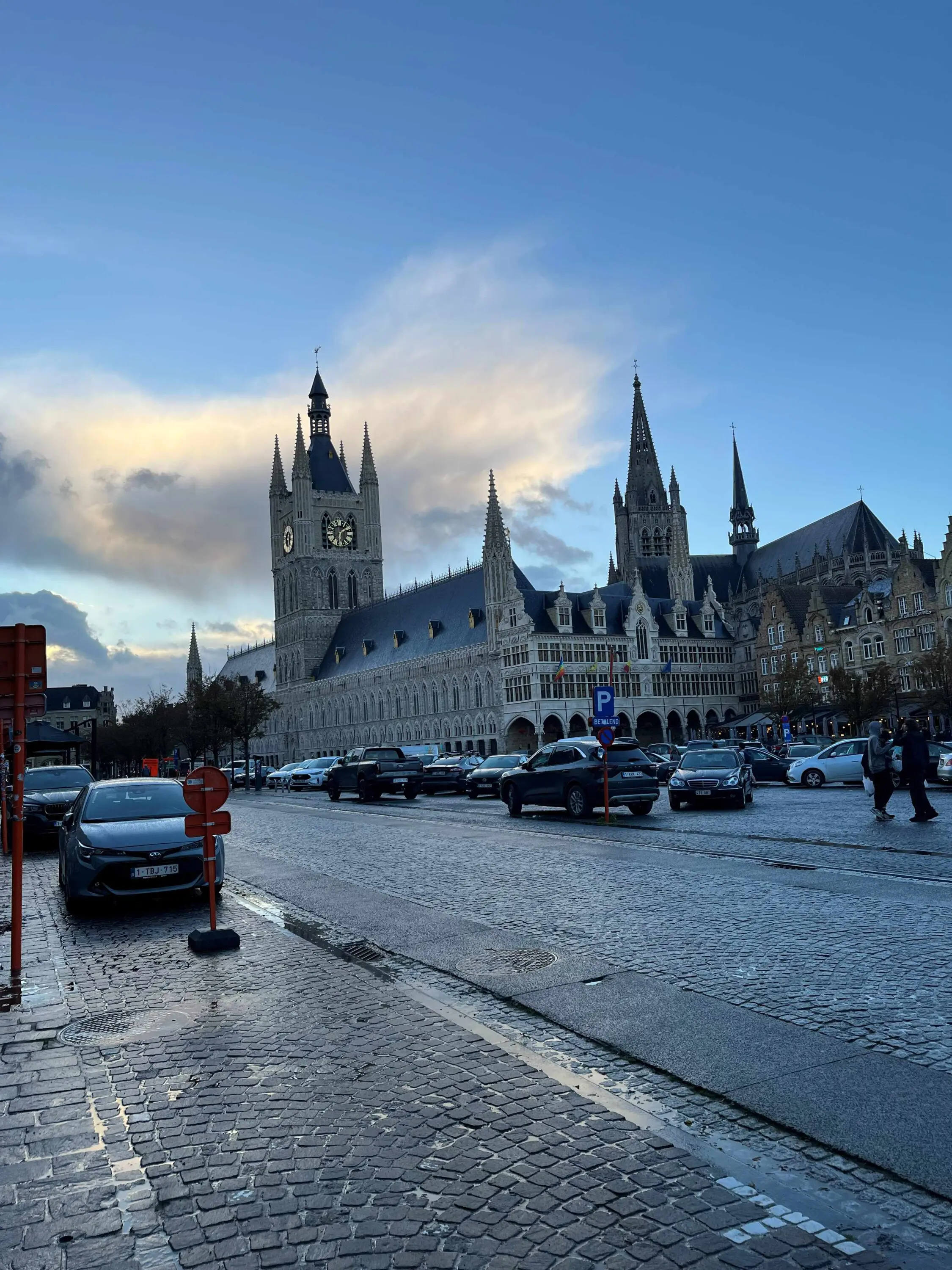
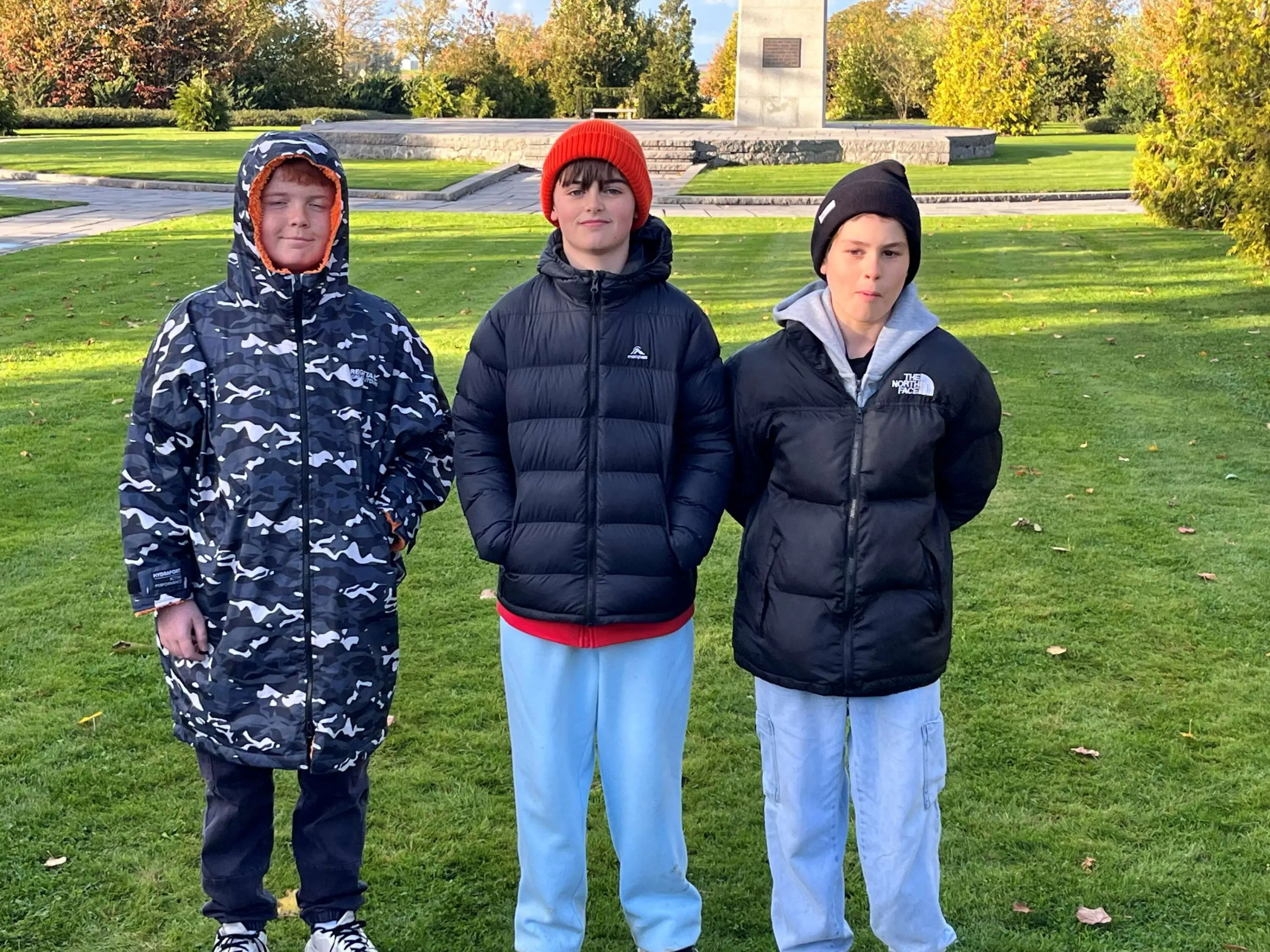
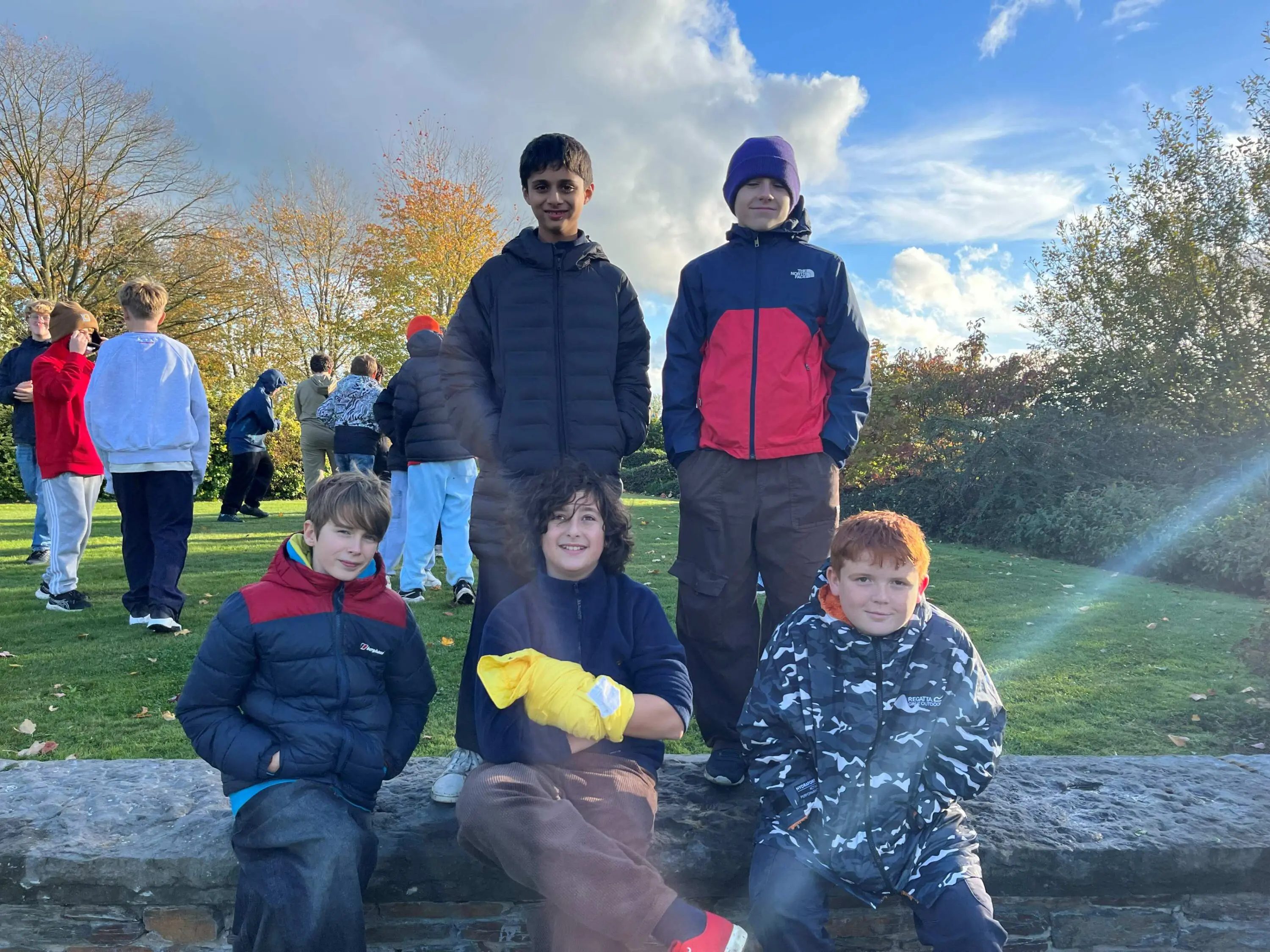
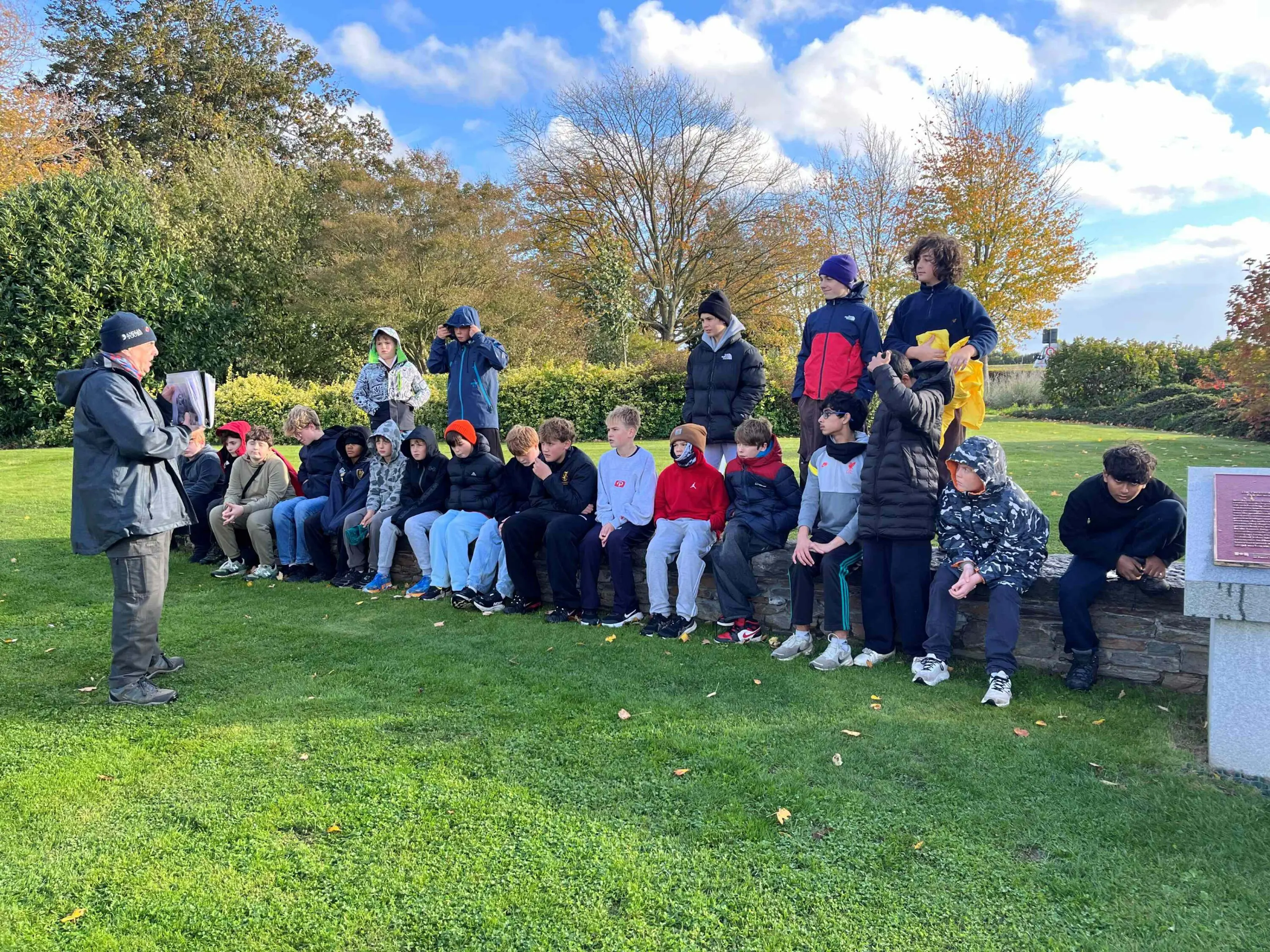
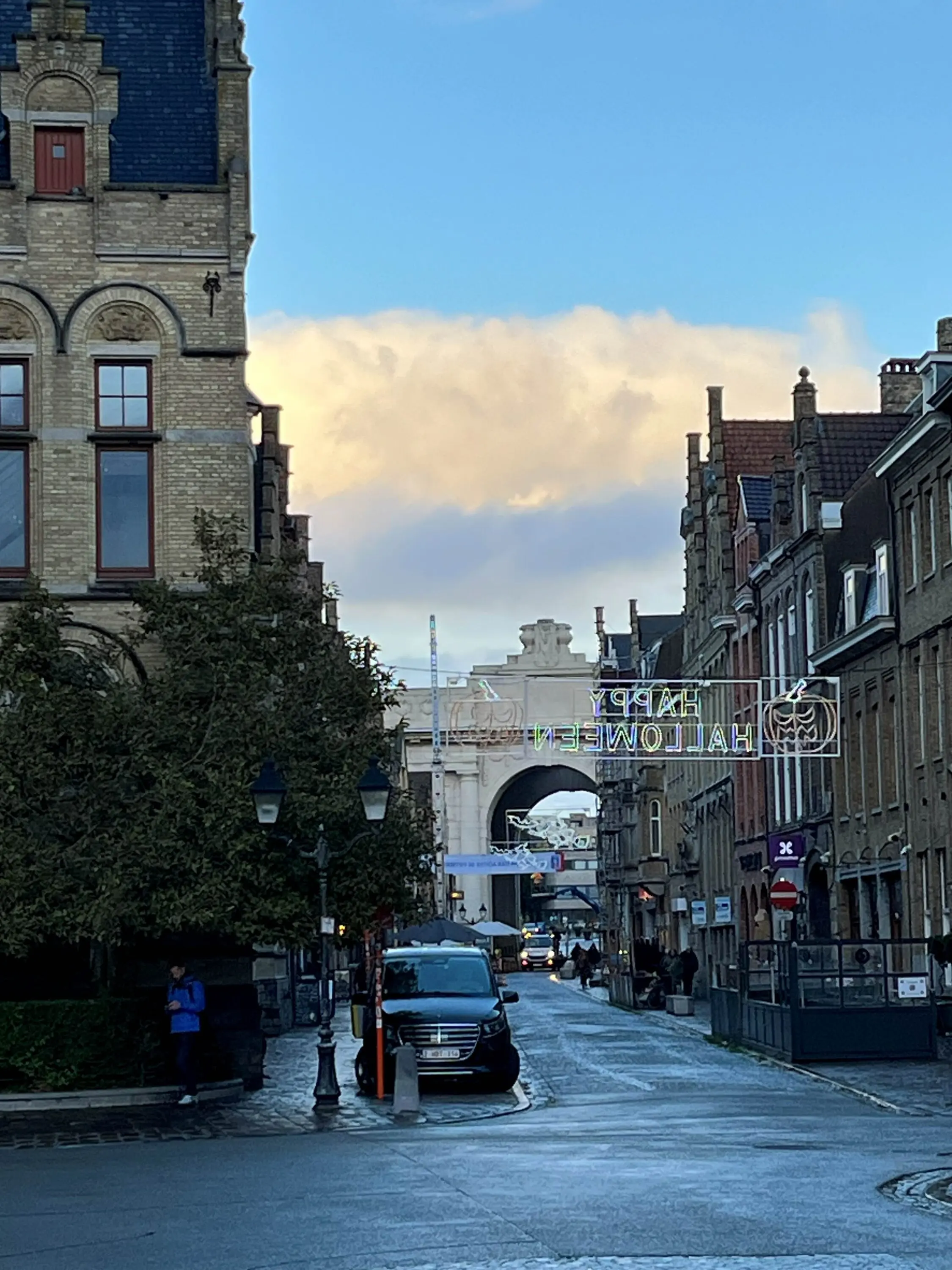
On Wednesday 21st October, our Year 8 pupils embarked on a 3-day Battlefields Trip, travelling to Ypres, the Somme and Arras to deepen their understanding of the First World War and the experiences of those who fought in it.
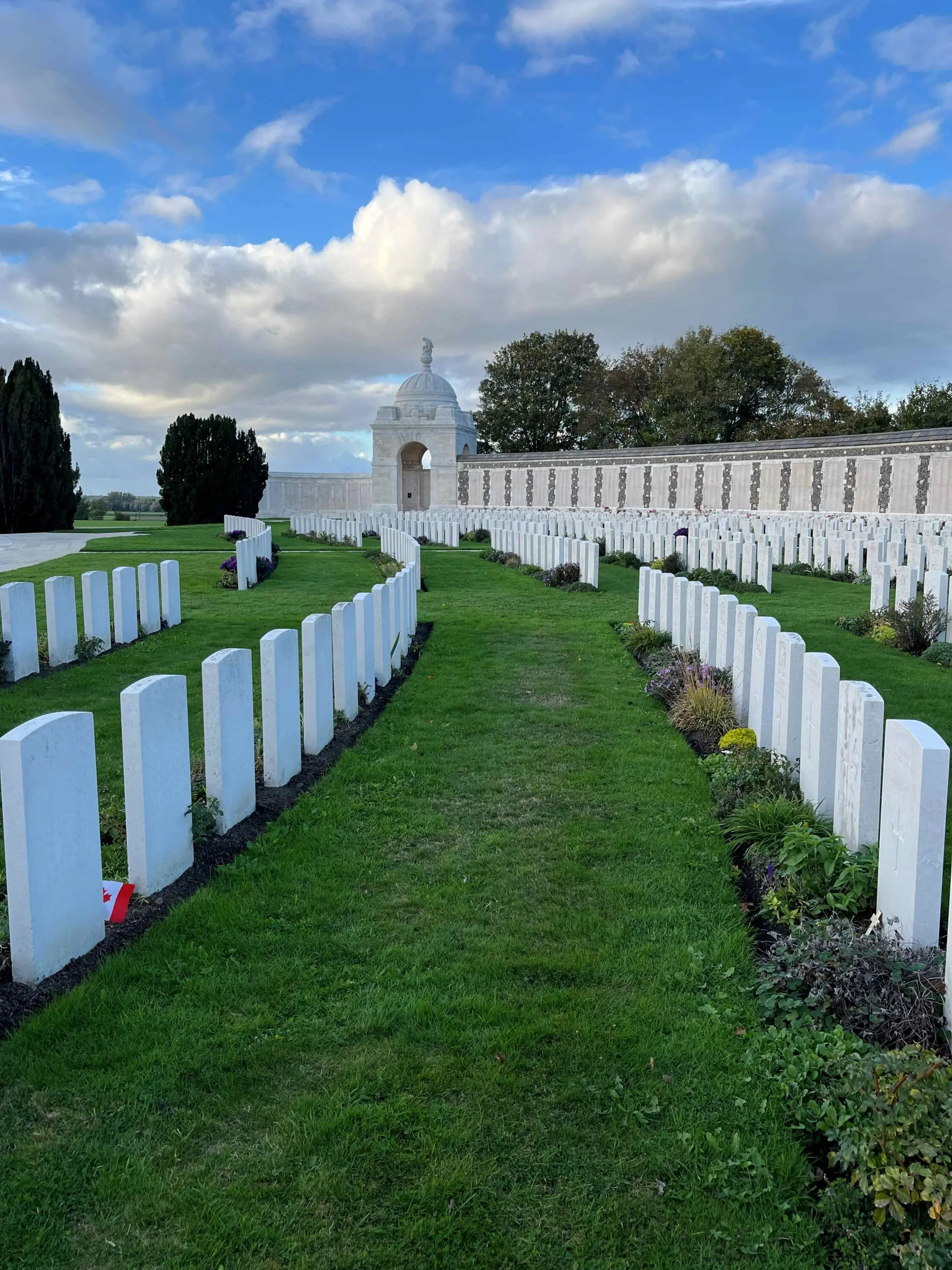
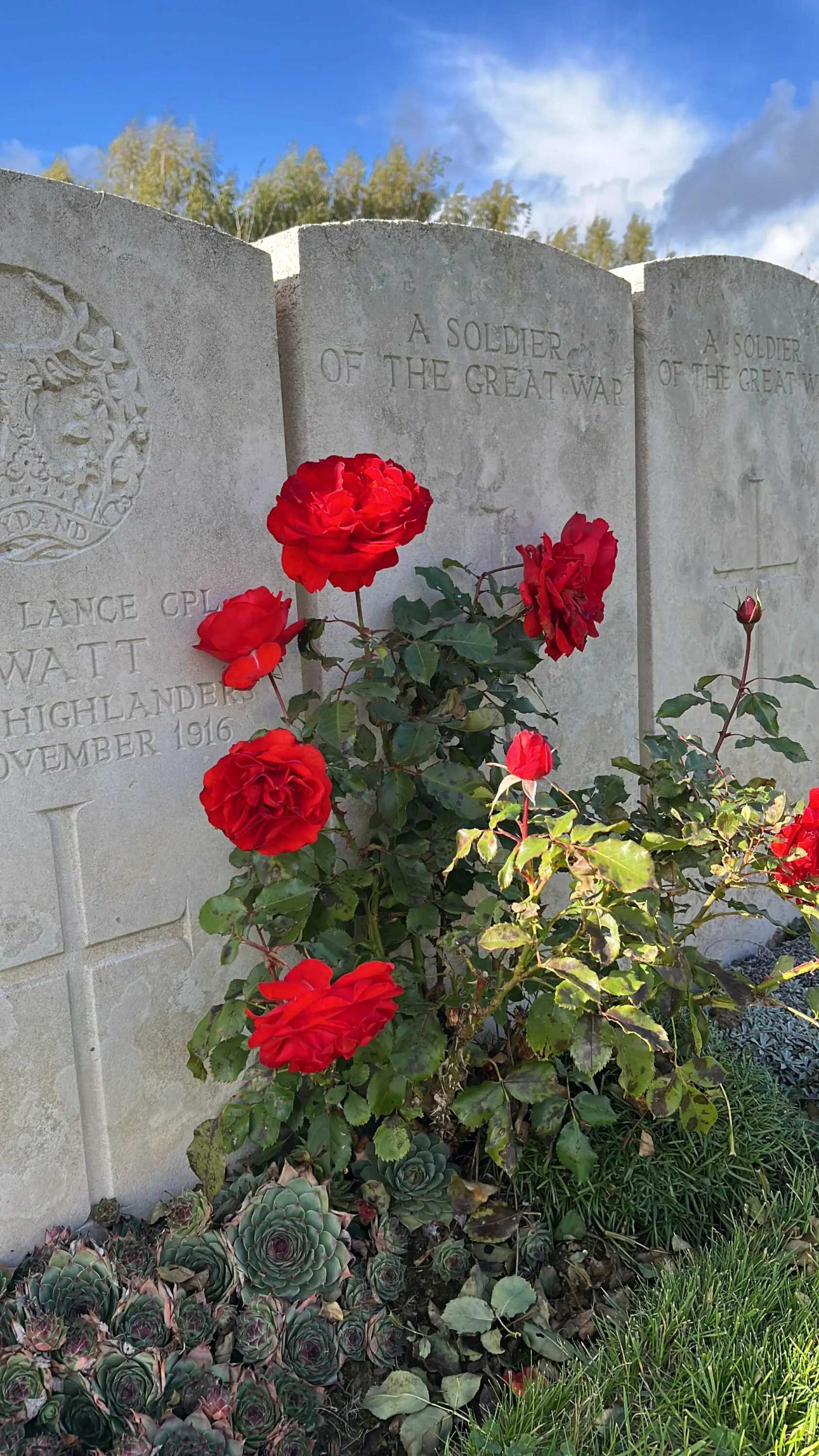
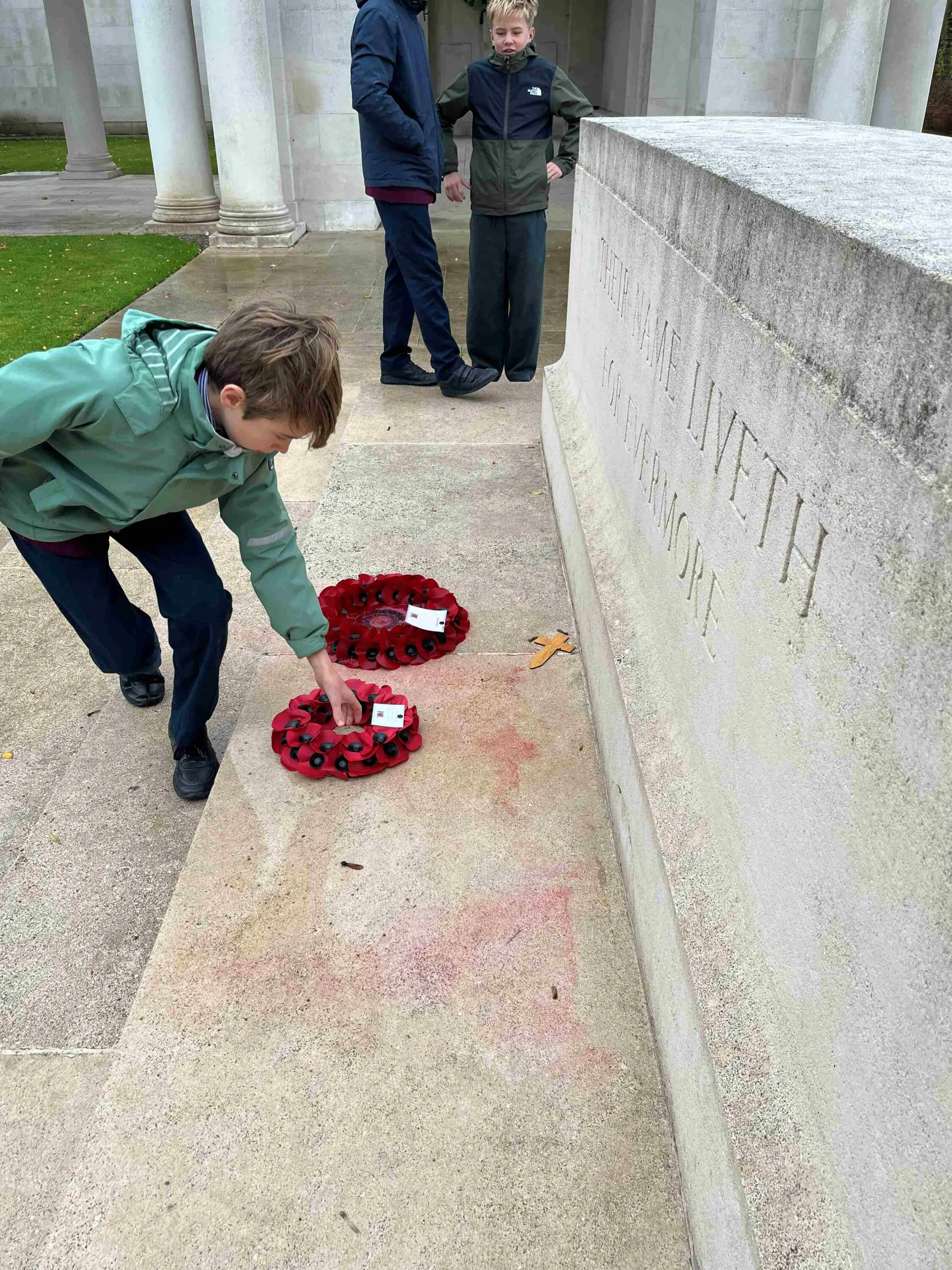
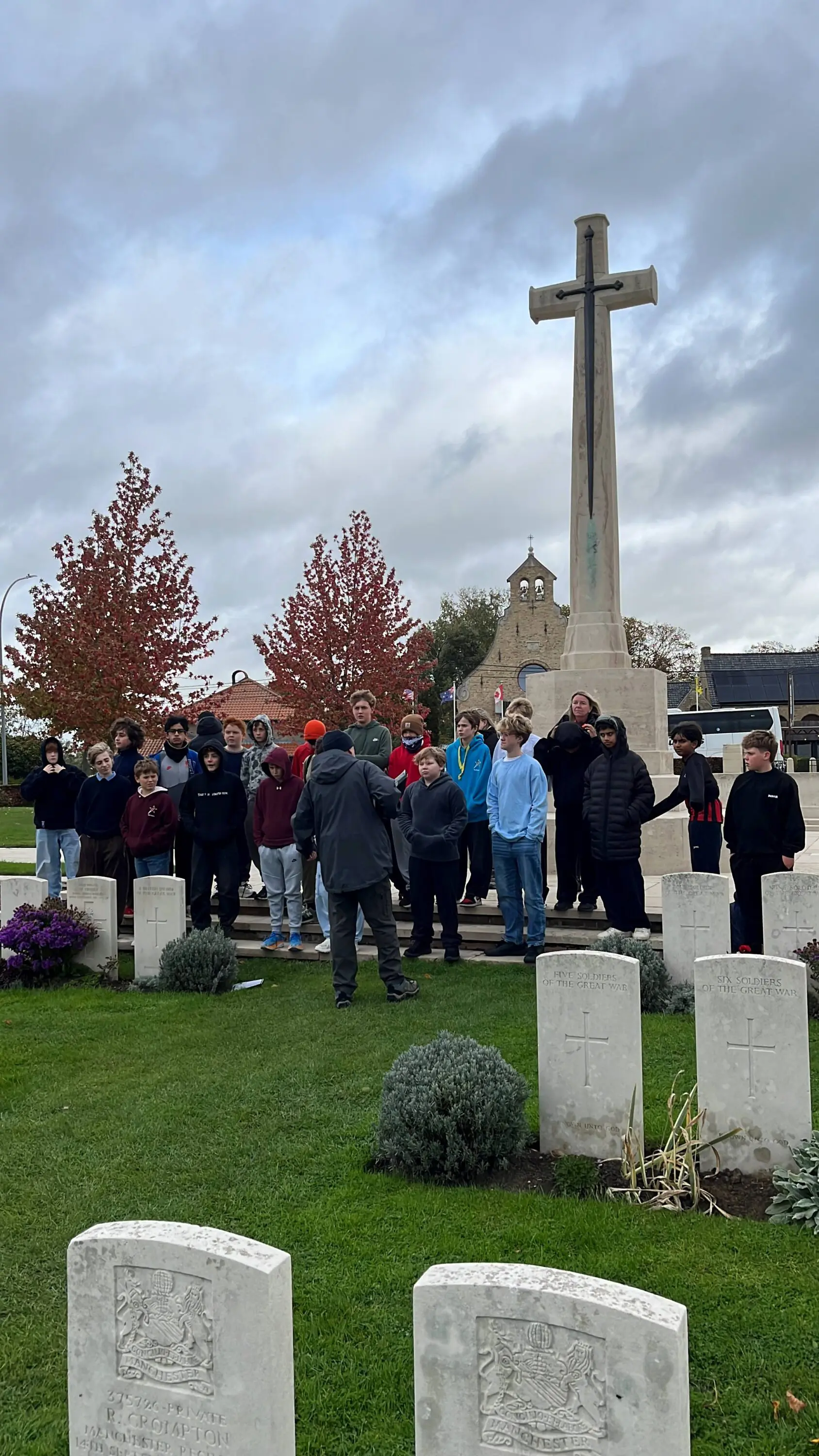
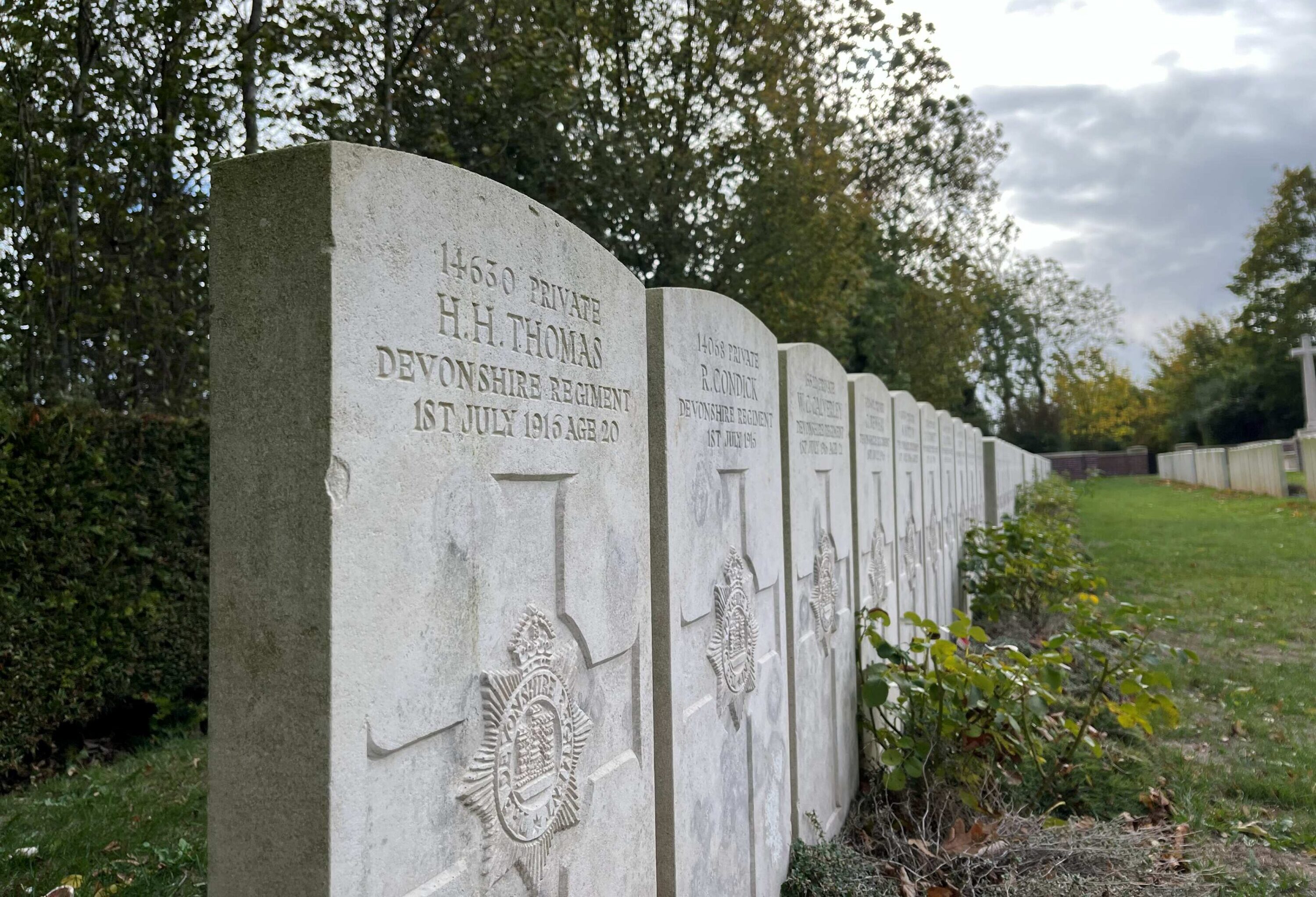
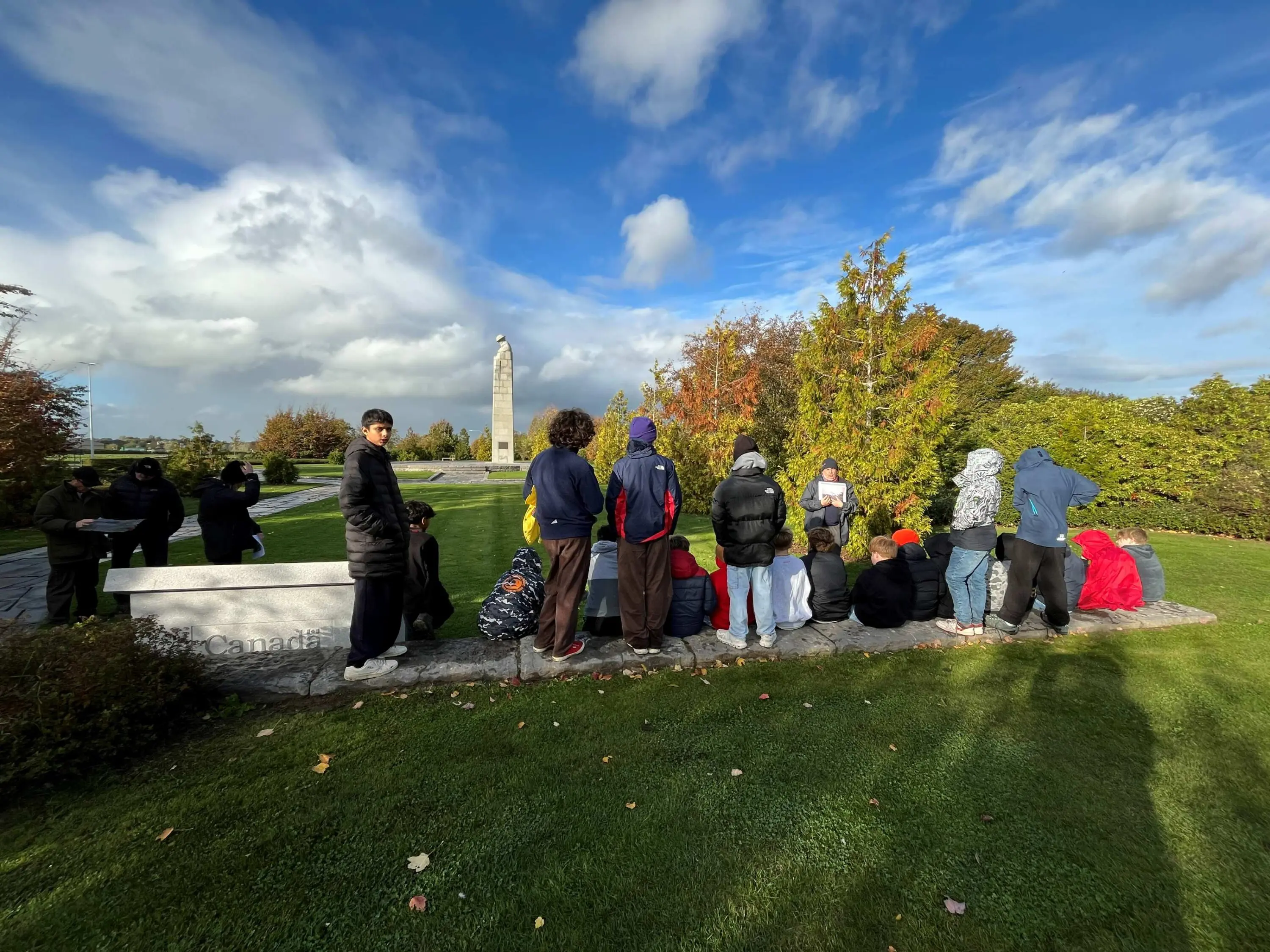
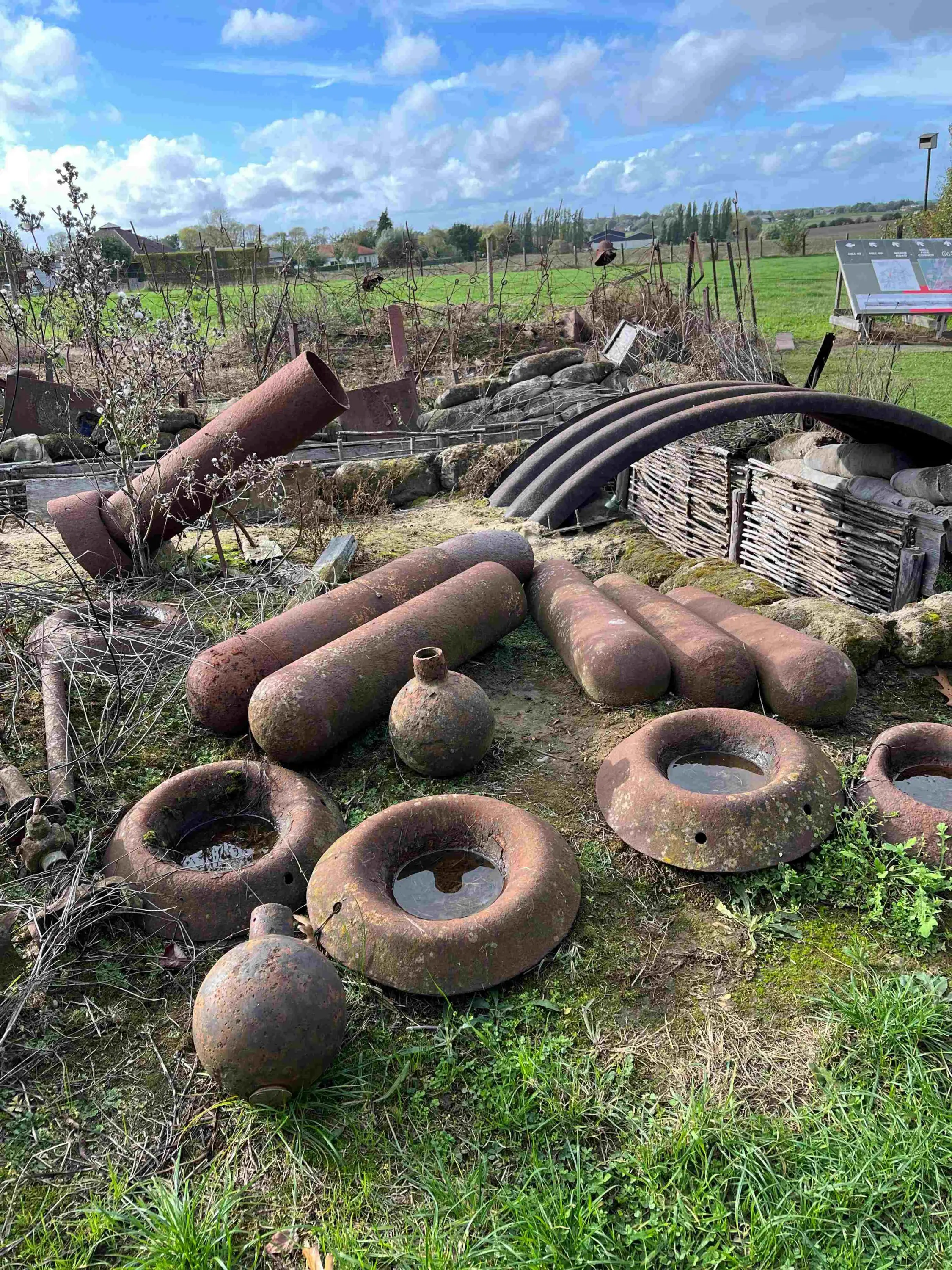
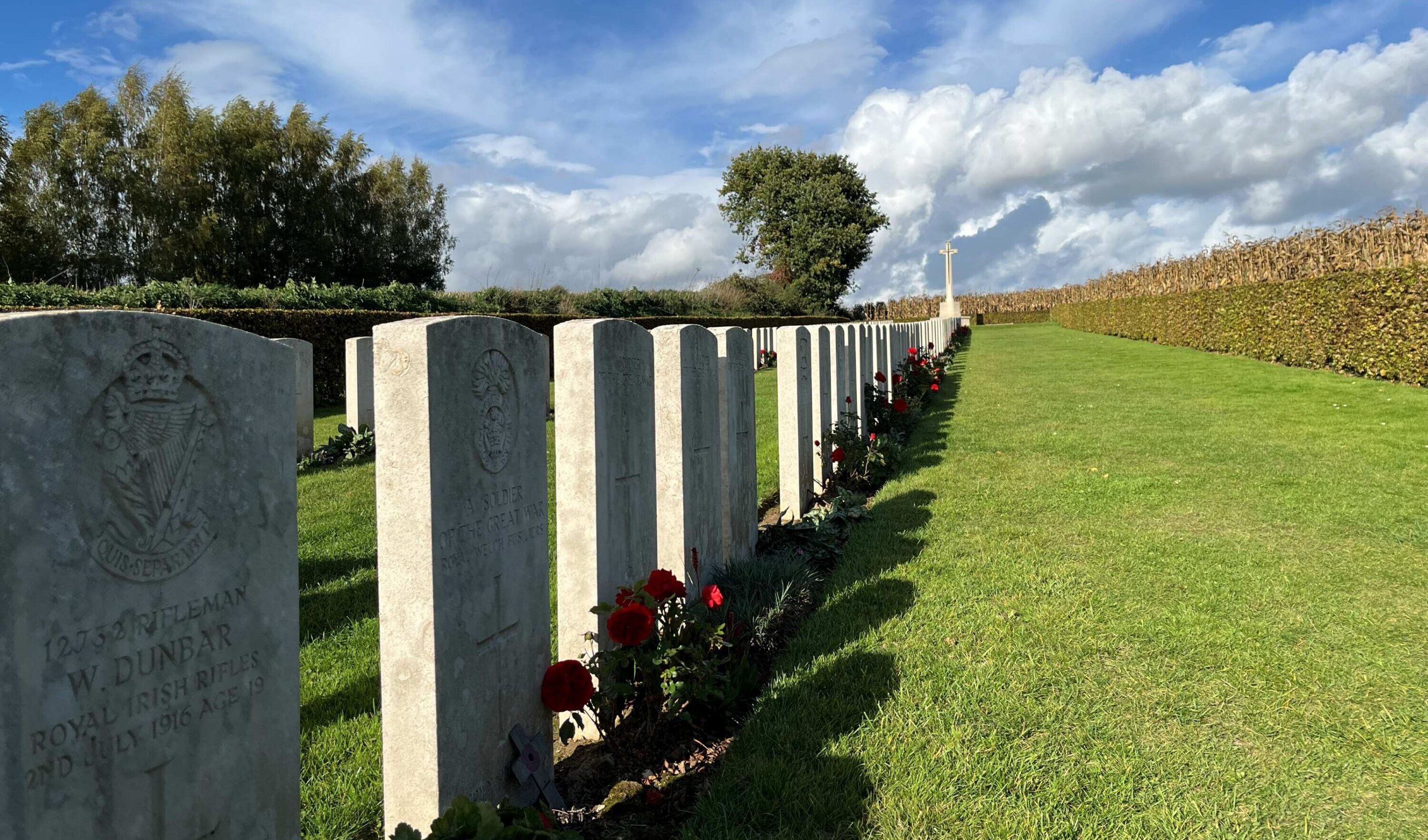
The trip began in Ypres Salient in Belgium at Hooge Crater Cemetery, where pupils examined the headstones and learnt about the significance of their inscriptions. They then visited a unique Commonwealth War Graves Commission site, Railway Wood to explore a trench system and engineers memorial, where twelve men commemorated. Here, our pupils enjoyed peaceful views across to Ypres over the historic battlefields and former ‘no man’s land’. This site features preserved original WWI trenches, shell-shocked tree lines, and a Canadian memorial with sweeping views of the surrounding countryside.
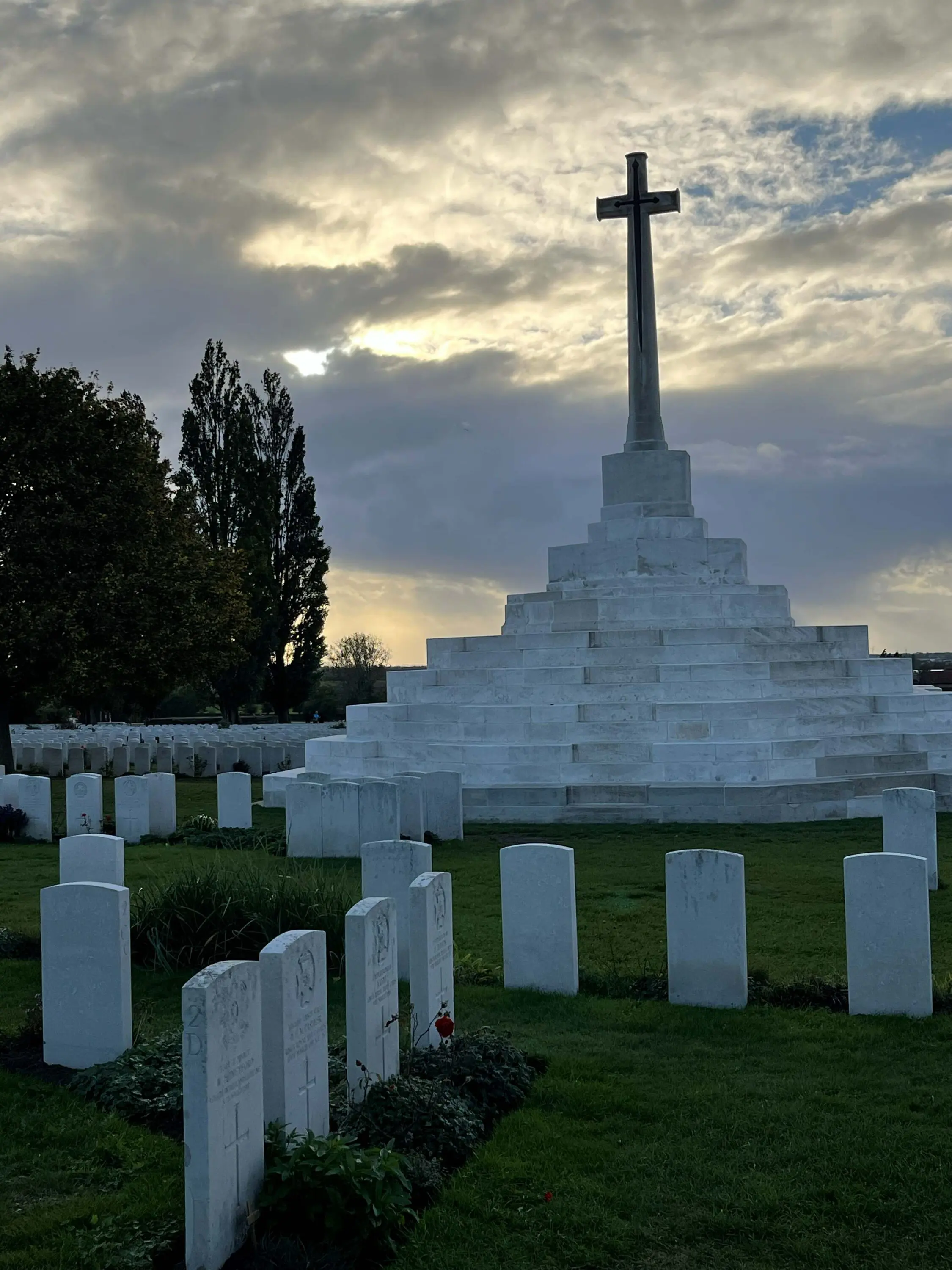
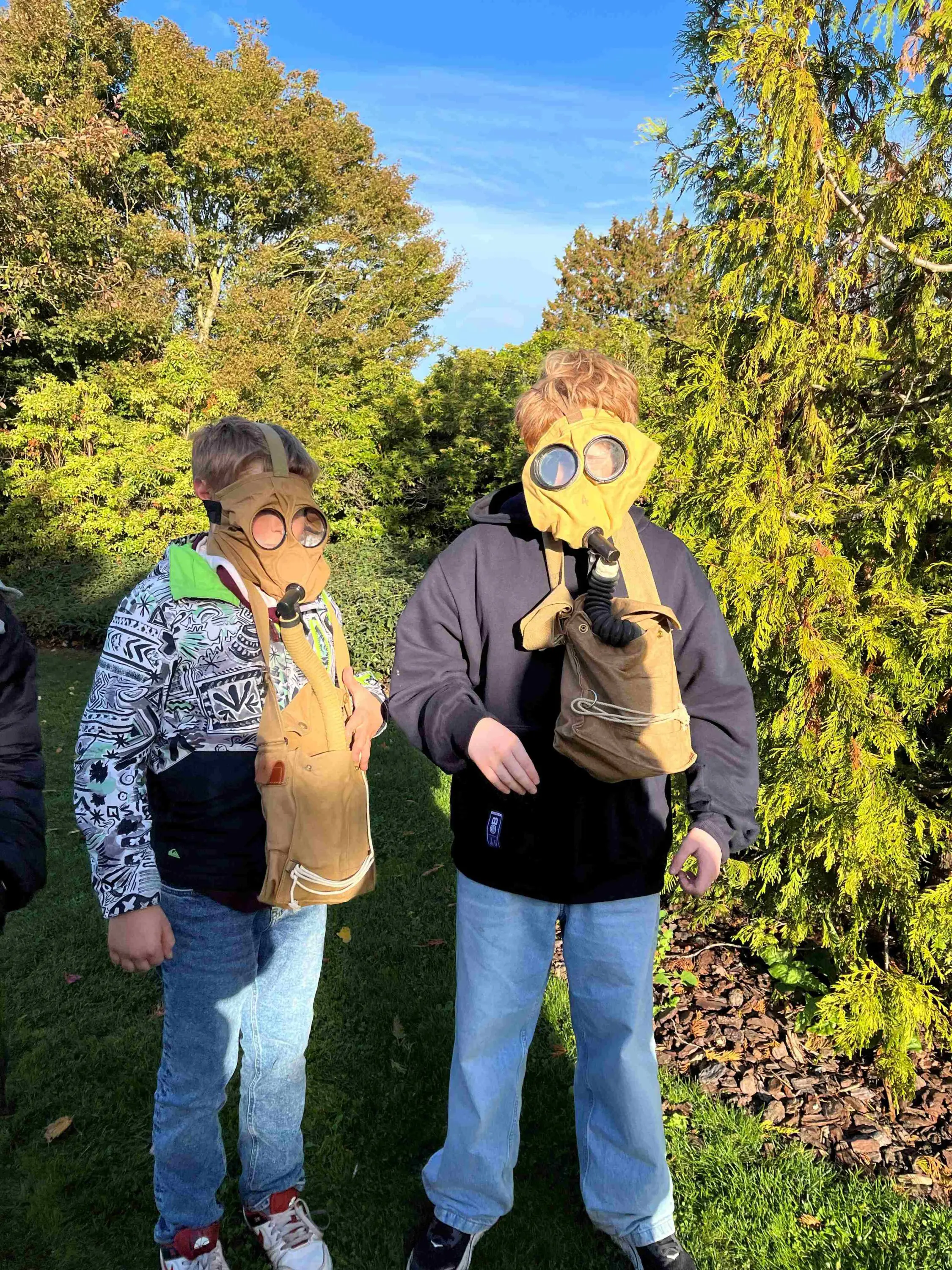
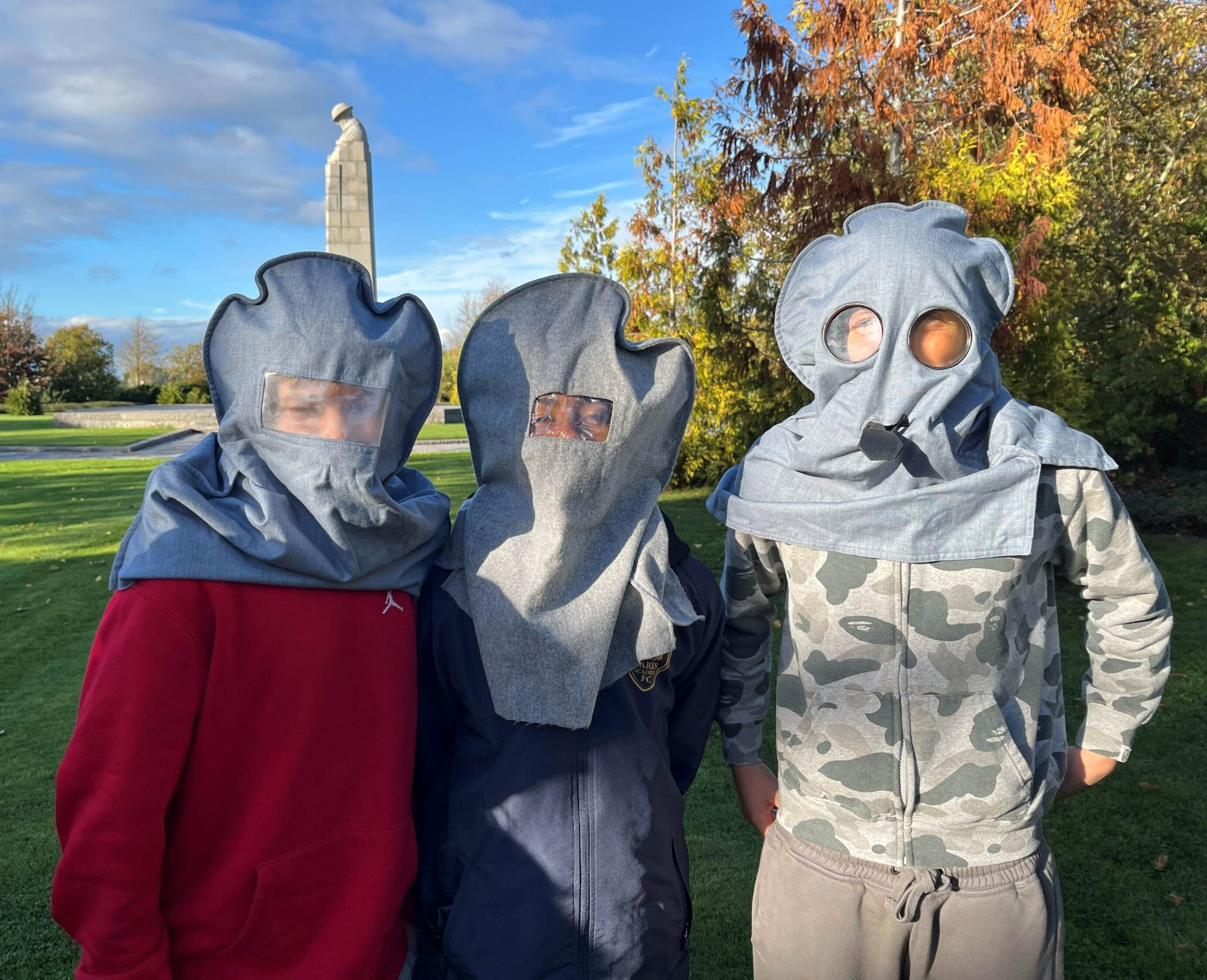
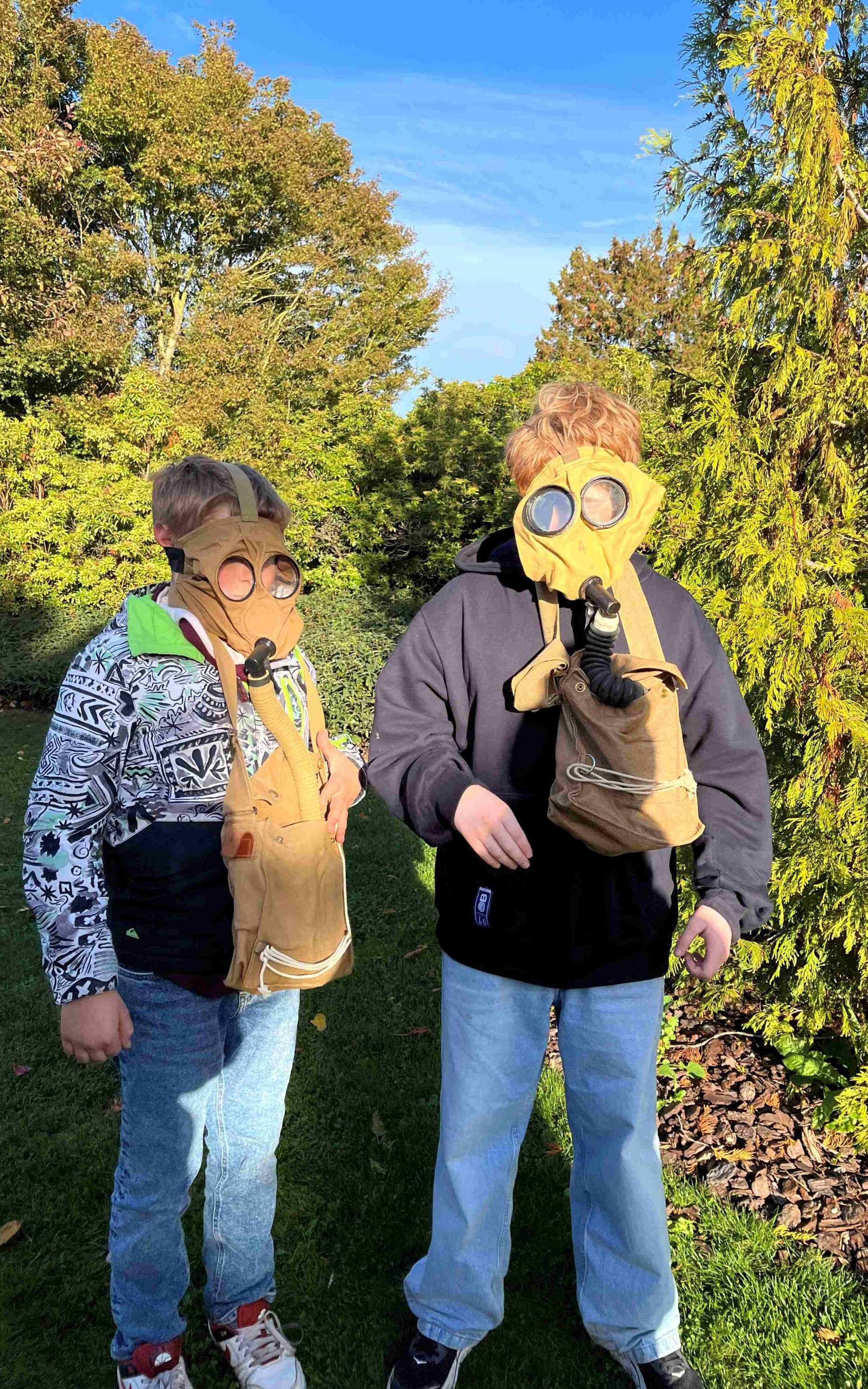
Next on the agenda was a visit to Tyne Cot, the largest Commonwealth war cemetery in the world, and St Julien Canadian Memorial at Vancouver Corner, a First World War memorial site. Here, the children learned about the evolution of gas masks in response to chemical warfare and were given the opportunity to participate in an interactive “show and tell” demonstration of gas masks.
On the second day, the group continued their exploration of the Somme, undeterred by changeable weather. They started at Devonshire Trench, the front-line trench used by the 8th and 9th Battalions of the Devonshire Regiment during the opening day of the Battle of the Somme on 1st July 1916. Looking across to Mametz, our group viewed the sight of a well placed German machine gun, which destroyed the Devon’s.
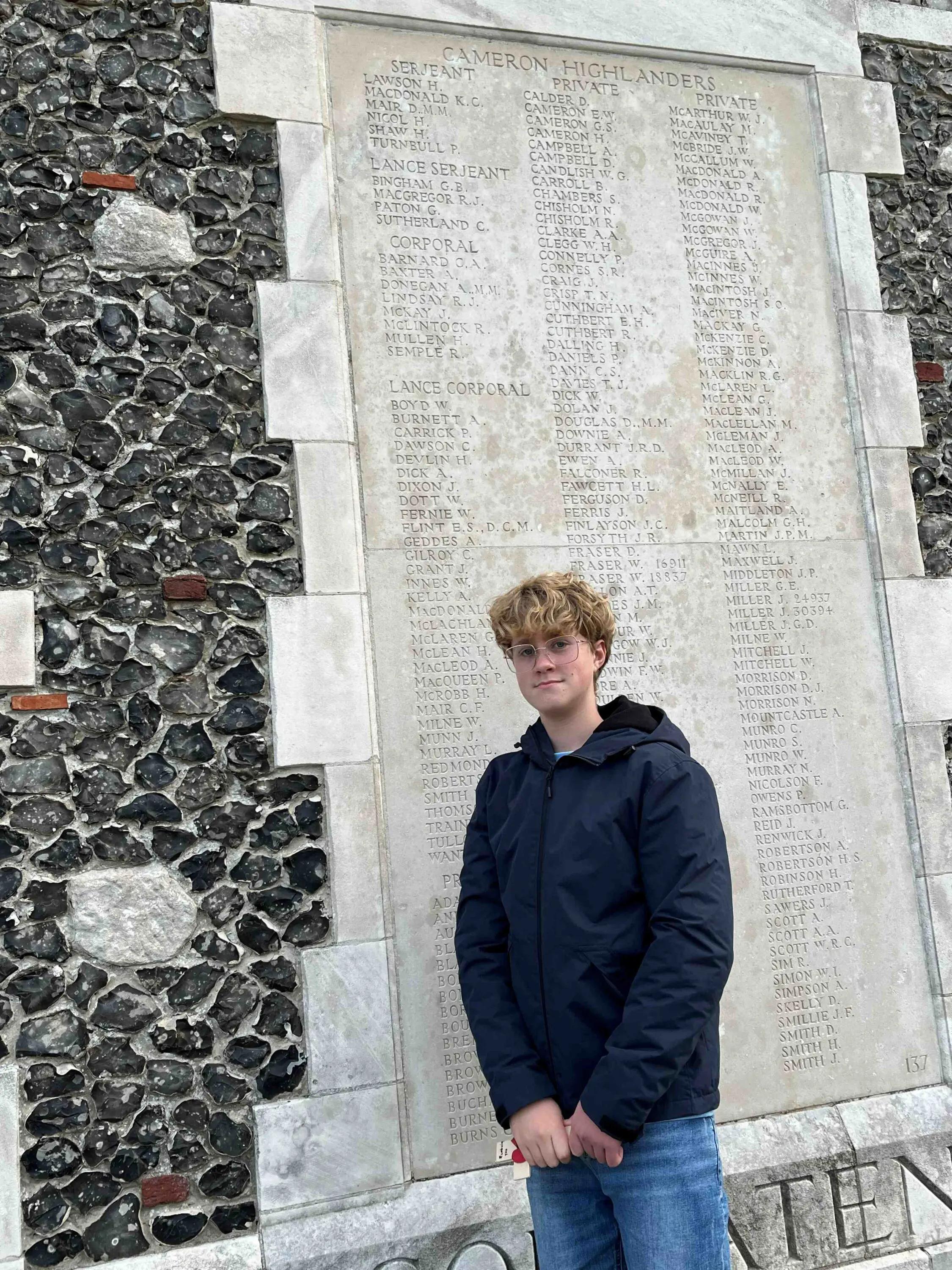
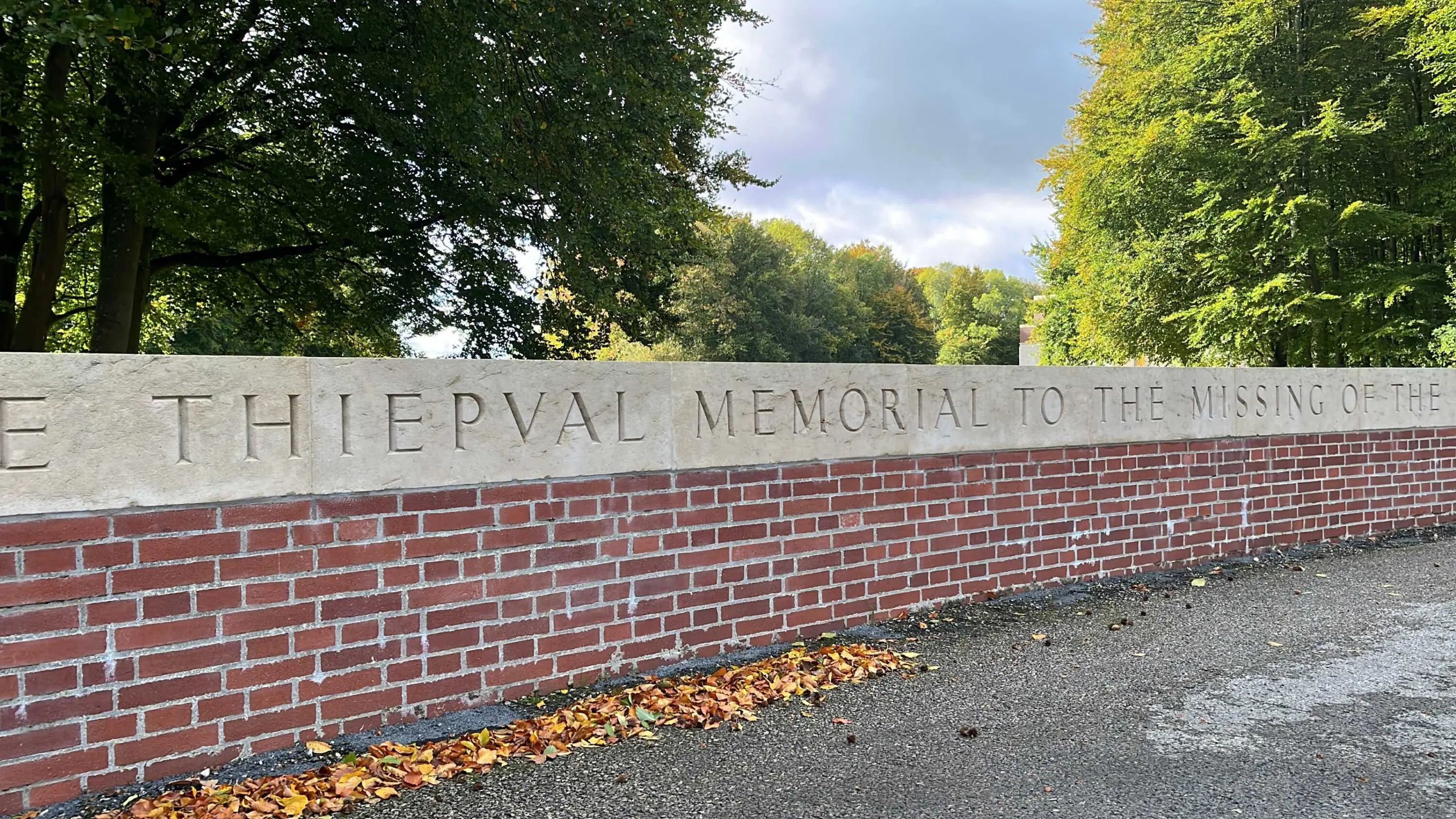
At the Thiepval Memorial to the Missing of the Somme, they reflected on the scale of the conflict as they viewed the names of more than 72,000 soldiers who have no known grave. They also heard accounts of the Ulstermen’s bravery at Ulster Tower before visiting Fricourt German Cemetery, where stories of Baron von Richthofen and Captain Robert Campbell offered different perspectives on the war, including a remarkable example of integrity.
The Year 8 pupils went on to explore Mill Road Cemetery, where gravestones were laid flat due to severe subsidence. The children learned how the landscape had been transformed by the intense fighting of 1916, before visiting the site of Schwaben Redoubt, a heavily fortified German military stronghold during the First World War.
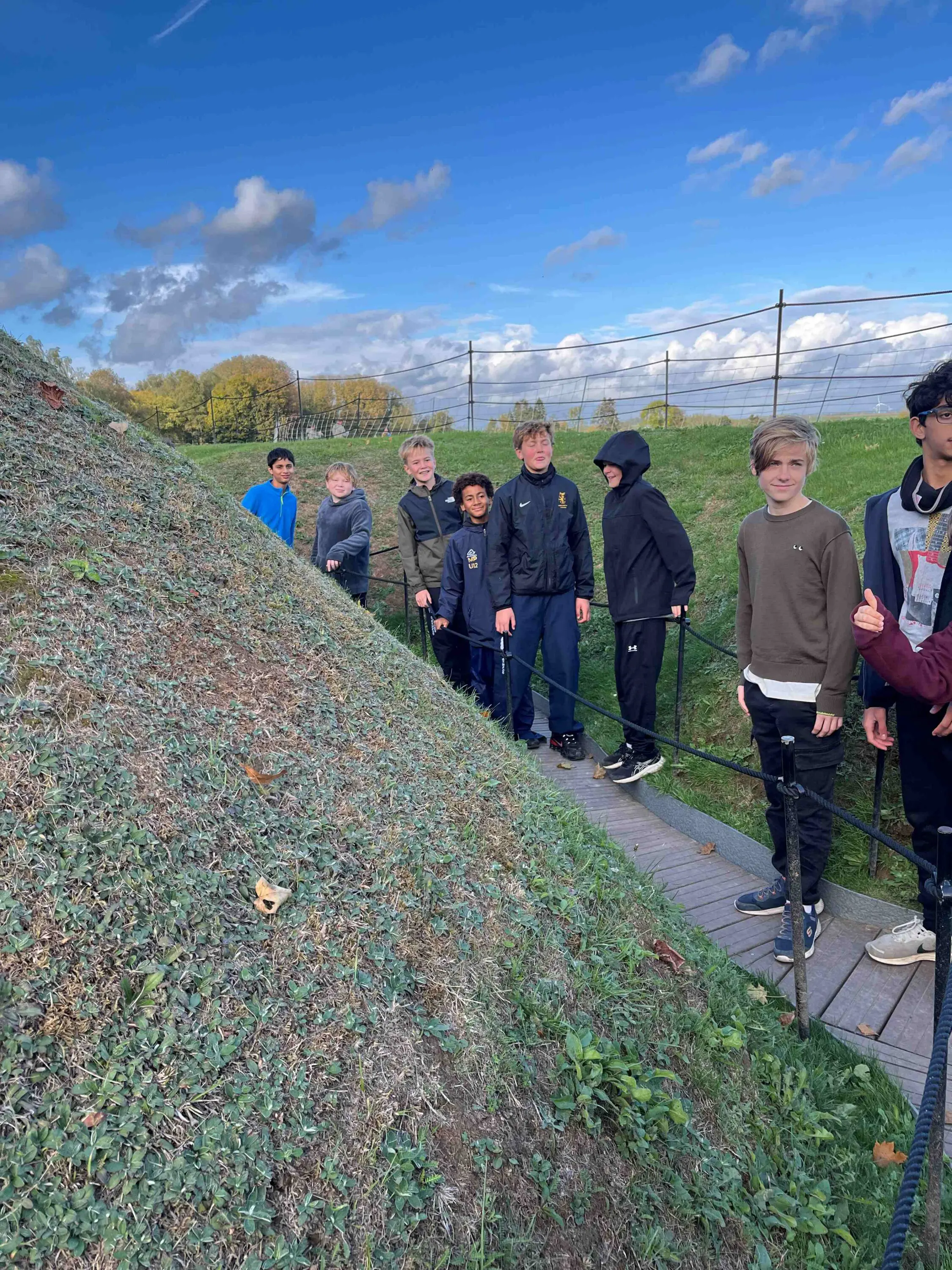
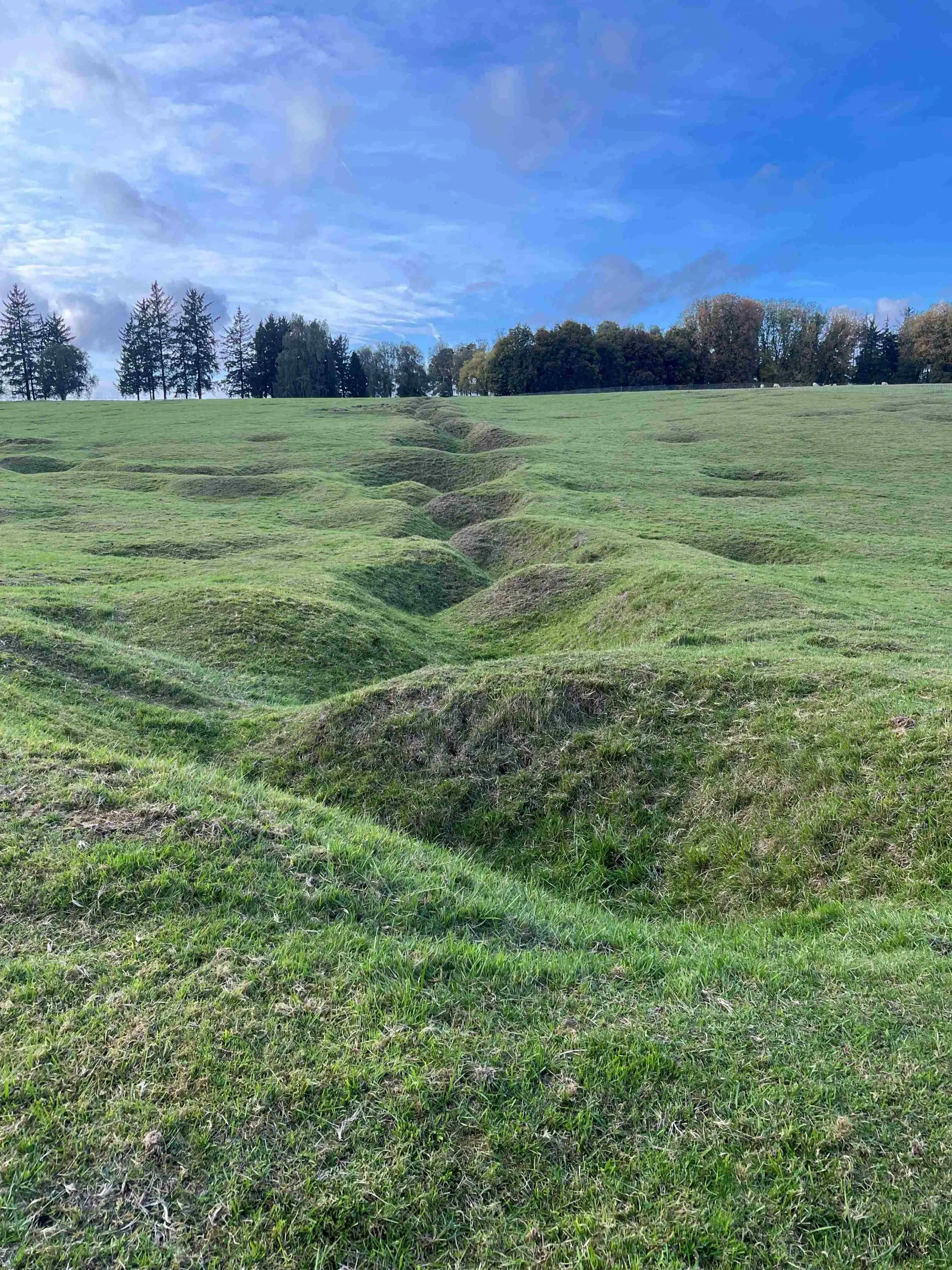
It was a lovely afternoon on the Somme at Sunken Lane, the group retraced the steps of soldiers going ‘over the top’, gaining a greater appreciation of the dangers they faced and the strategic positioning of German machine guns. Their visit continued at Beaumont-Hamel Newfoundland Memorial Park, where preserved trenches provided a powerful insight into the conditions endured by soldiers on the Western Front. They viewed the Scottish kilted soldier memorial for 51st division, Hawthorn Ridge Cemetery featuring very close headstones often with multiple bodies underneath, Hunters Cemetery and Y Ravine, a deep Y-shaped natural feature that served as a heavily fortified German stronghold during World War I. Our pupils were thrilled to learn about soldiers and try on their personal kit.
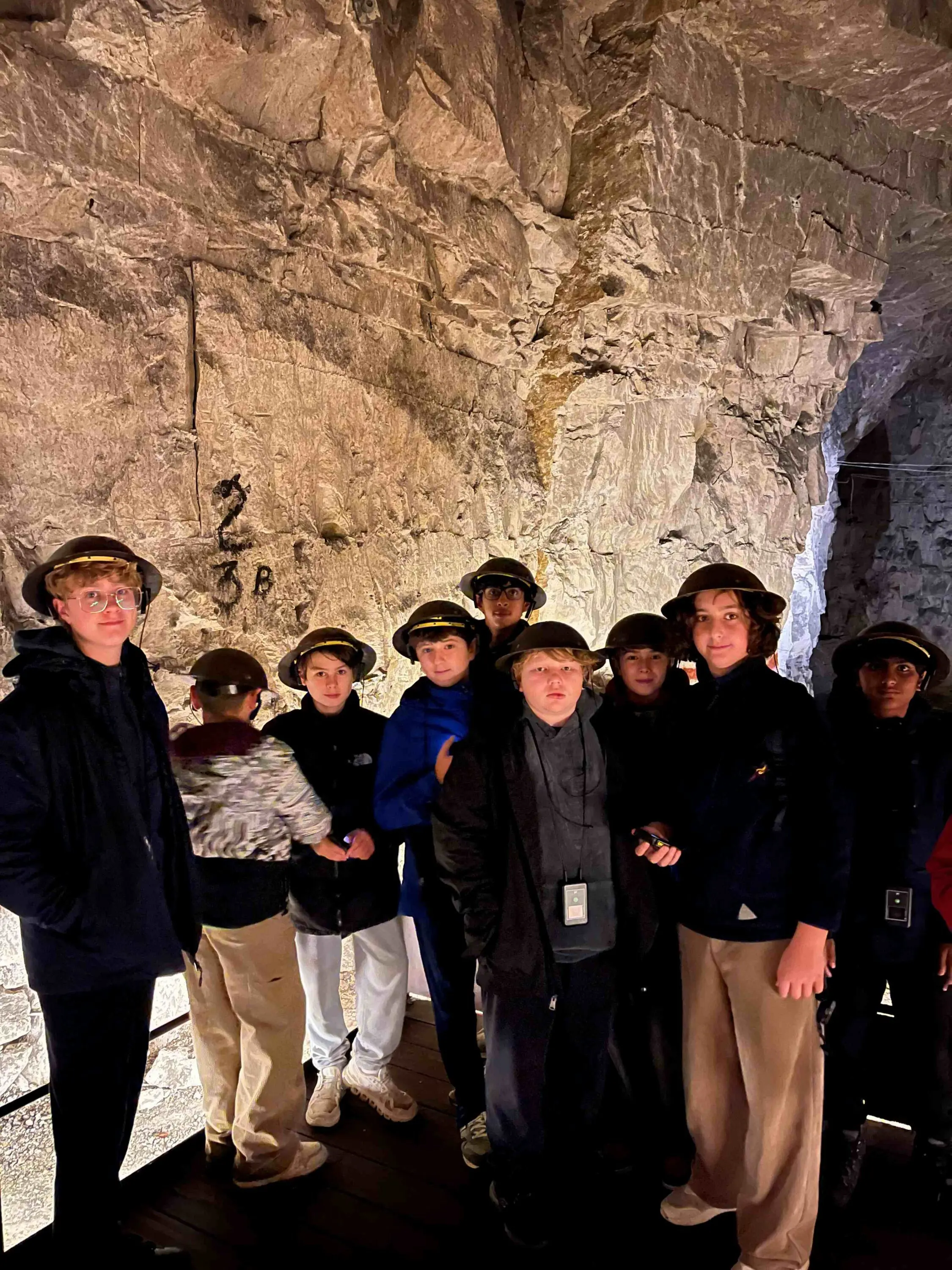
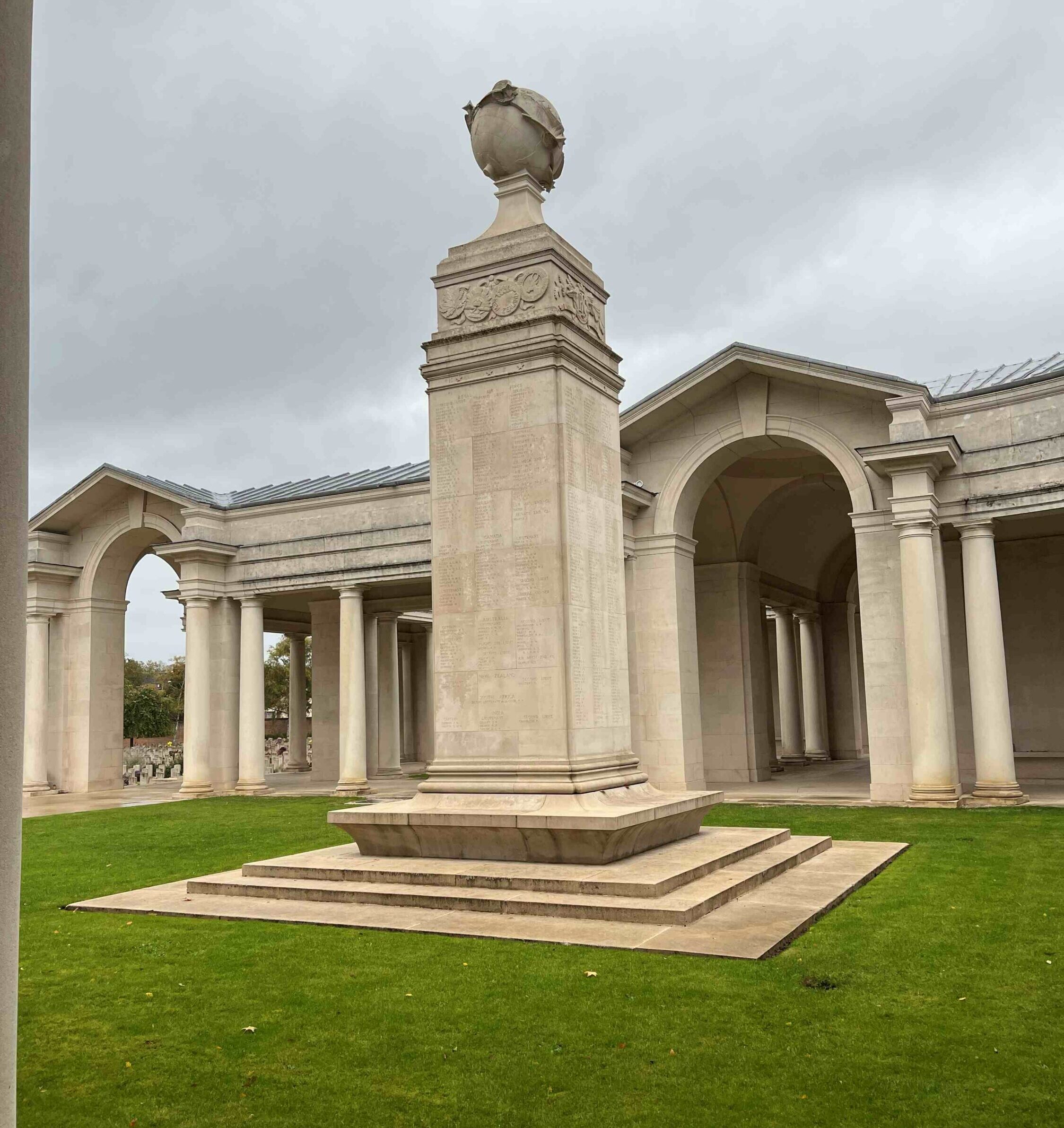
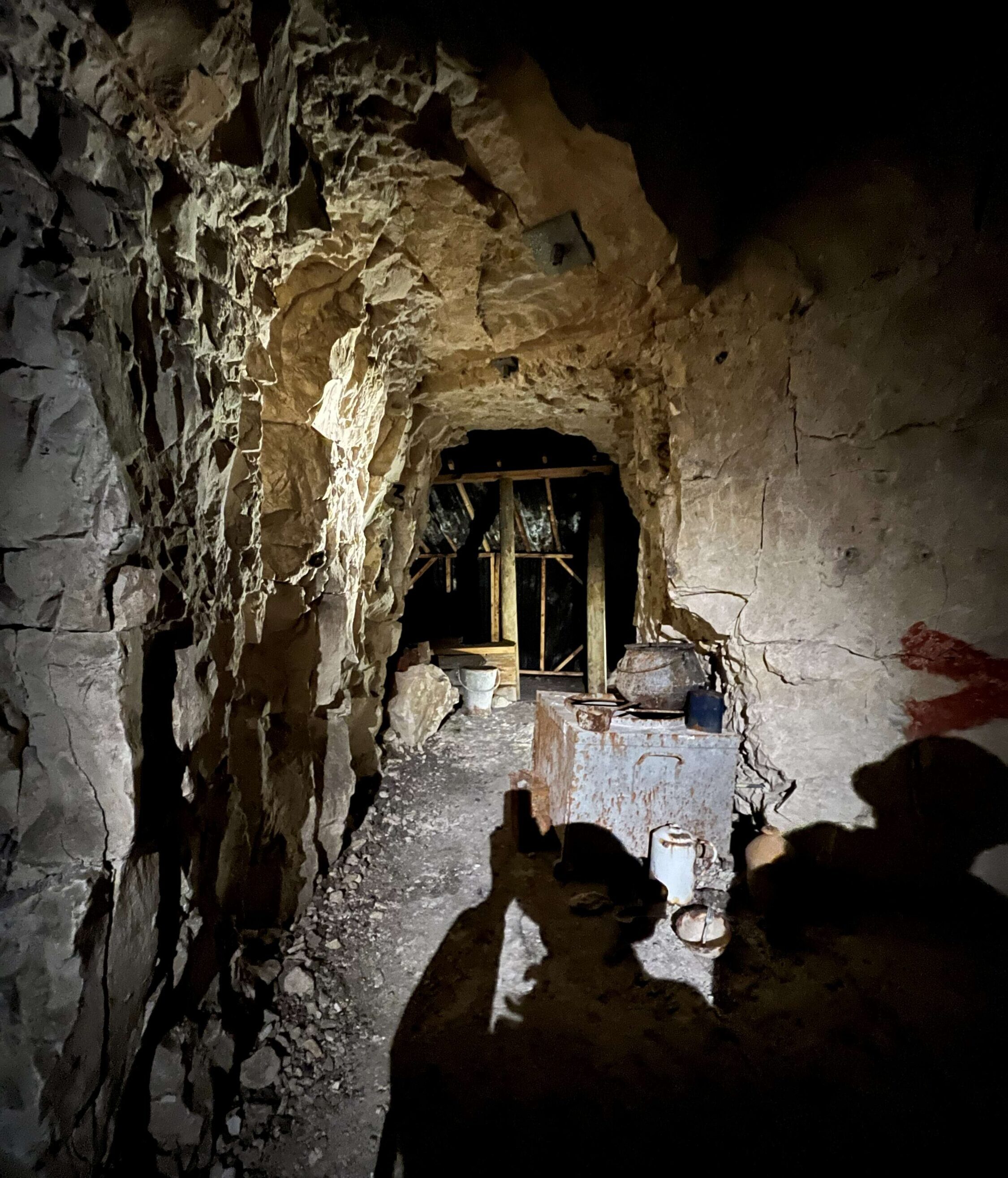
On the final day, the group travelled to beautiful Arras, visiting the Arras Memorial and Faubourg d’Amiens Cemetery. Here, they learnt about the lives of Second Lieutenant Walter Tull and Sandy Turnbull, alongside the poetry of E. A. Mackintosh, whose writing captured the realities of war. They also explored the Wellington Quarry, an extensive network of underground tunnels excavated in just six months by tunnelling companies, including New Zealanders, to help prepare for the Battle of Arras.
The trip provided a valuable opportunity for our pupils to bring their classroom learning to life, deepening their understanding of the First World War through the stories, landscapes and memorials they encountered. It was a thought-provoking experience that gave them time to reflect on the sacrifices made by those who served and the importance of preserving their stories for future generations.